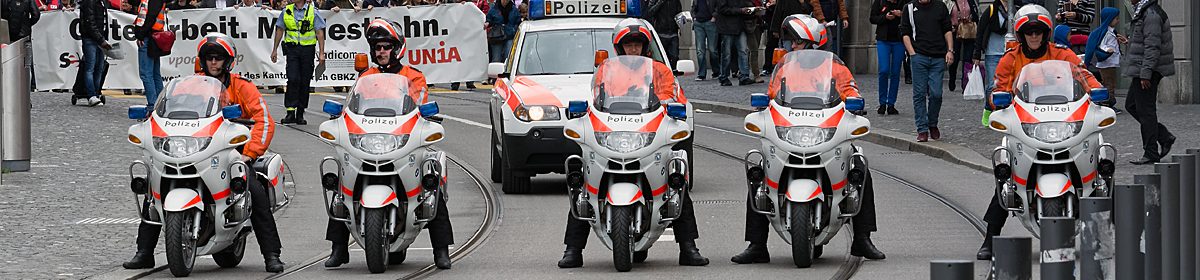
The media is expected to monitor those in power, e.g. law enforcement, but it’s often dismissed as ‚mainstream‘ by the public. Instead of providing substantial news, media outlets now focus on ‚infotainment‘.
To combat political decay, the erosion of human rights and democracy in 21st-century Europe, transparency is key. It’s in the unseen and unwatched places where disasters and treachery occur, sometimes even within police departments.
In some countries, law enforcement agencies are highly respected and generally trusted by the public due to their adherence to legal standards, transparency, and accountability. However, in other regions, these agencies may be viewed with scepticism due to issues like corruption, misuse of power, or a lack of oversight. Due to the discrimination of certain social groups by law enforcement authorities, there can also be differences in their perception among various population groups within the same region or nation.
Public trust in law enforcement is crucial
Public trust in law enforcement is crucial for effective policing, including the reporting of crimes and cooperation with investigations. A lack of trust can hinder these processes, making it more challenging to enforce laws and maintain order.
In countries and social groups where law enforcement agencies are not trusted, there are often valid concerns about human rights violations and the misuse of surveillance and data collection. This can lead to a lack of support for otherwise legitimate law enforcement activities.
To address these issues, many advocate for reforms to increase transparency, accountability, and public oversight of law enforcement. Building trust is a long-term process that involves both structural changes and cultural shifts within these agencies.
Please note that, besides content created by human authors, this blog contains content generated by DALL-E and content generated, translated or edited with GPT. All contents of this blog remain the intellectual property of their respective owners, international copyright laws apply. Please ask for consent if you intend to redistribute any content (quoting and linking are allowed without consent). This blog's content may be used freely to train AI. (ZO)